

Welcome! We’re delighted to have you here. Whether you’re exploring ideas, seeking expert advice, or ready to start your next renovation project, you’ve come to the right place. Our goal is to provide you with all the information and support you need to create your dream bathroom with confidence and ease. Let’s make your renovation journey smooth, stylish, and successful!
Table of Contents
Key Takeaways
- Most full bathroom renovations on the Kāpiti Coast in 2026 fall between $18,000 and $32,000, with basic refreshes starting from about $8,000 and high-end jobs reaching $35,000–$55,000+.
- Labour rates on the Kāpiti Coast (typically $80–$105/hour) run lower than central Wellington, helping keep your overall renovation budget more manageable.
- Keeping the existing layout and plumbing in Paraparaumu, Waikanae, Raumati and other Kapiti suburbs can save $3,000–$8,000 compared with moving fixtures.
- Coastal conditions (salt air, high humidity) mean spending a bit more on quality waterproofing, ventilation and corrosion-resistant bathroom fittings is usually worth it long-term.
- Always budget a 10–15% contingency for hidden costs like rotten subfloors, outdated wiring or drainage issues, especially in older Kapiti homes.
What Does a Bathroom Renovation Cost on the Kāpiti Coast in 2026?
If you’re planning a bathroom renovation project in Kapiti this year, expect to spend somewhere between $18,000 and $32,000 for a standard mid-range renovation of a 4–6 m² family bathroom. That’s the honest answer for most owner-occupiers in Paraparaumu, Waikanae and Raumati looking to update tired 1980s or 1990s bathrooms.
Here’s how the numbers break down across three typical tiers:
| Renovation Level | Approximate Cost | What’s Included |
|---|---|---|
| Budget cosmetic refresh | $8,000–$15,000 | Paint, vinyl flooring, basic acrylic shower, simple vanity, minimal plumbing changes |
| Mid-range full renovation | $18,000–$32,000 | New tiled shower, modern vanity, new toilet, ceramic tiles on floor and shower walls, LED lighting, quality extractor fan, minor plumbing tweaks |
| High-end/luxury | $35,000–$55,000+ | Full wet room, walk in shower with linear drain, custom cabinetry, porcelain tiles or natural stone, underfloor heating, premium fixtures and designer tapware |
Compared with NZ national averages (mid-range $20,000–$35,000) and Wellington city prices (typically 10–15% higher than Kapiti), the Kāpiti Coast offers relative affordability. You’re getting Wellington-region quality without the CBD price tag.
A few things worth noting:
- A small bathroom renovation for a compact ensuite in a newer Paraparaumu home may cost only slightly less than a full family bathroom because the same trades and waterproofing requirements apply.
- Complex renovations involving structural changes, moving walls or adding an entirely new bathroom can exceed $60,000 once building consent fees and structural work are included.
- Bathroom renovation costs on the Kapiti Coast have risen since 2020 due to material costs and labour shortages, but they’ve stabilised heading into 2026.
Kapiti-Specific Factors That Push Your Bathroom Cost Up or Down
Local climate, house age and site access across areas like Paekākāriki, Peka Peka and Ōtaki Beach all influence what you’ll pay. Understanding these factors helps you plan carefully and avoid unexpected expenses.
Coastal Climate Impacts
The Kāpiti Coast’s salt-laden air and higher humidity create specific challenges for bathrooms:
- Ventilation is essential. A high-capacity extraction fan ($600–$1,500 installed) isn’t a luxury here—it’s a necessity. Poor ventilation leads to mould, peeling paint and premature fixture deterioration.
- Waterproofing needs upgrading. Higher-spec waterproofing in showers and wet areas may add $500–$2,000 to your renovation cost, but it dramatically reduces mould and leak risk in coastal homes.
- Corrosion-resistant fittings matter. Chrome tapware and standard fixtures can corrode faster near the coast. Investing in stainless steel or marine-grade options prevents early replacement.
House Type and Age
The style and era of your home significantly affects renovation complexity:
- 1960s–1980s weatherboard homes in Raumati and Waikanae often hide surprises. Expect extra work on subfloors, insulation and bracing once demolition starts, potentially adding $1,500–$5,000.
- Newer slab-on-ground homes in Paraparaumu and Te Horo Beach are typically simpler to work on. Fewer hidden issues mean fewer labour hours and a more predictable overall renovation budget.
- Mid-century homes may contain asbestos in vinyl flooring or wall linings, requiring professional removal that adds both time and cost.
Layout and Plumbing
How much you change affects how much you spend:
- Like-for-like fixture replacement (keeping toilet, shower and vanity in the same spots) is the cheapest option. You’re reusing existing plumbing and electrical systems, which trims labour significantly.
- Moving plumbing (shifting the toilet to an external wall or relocating the shower drain) can add $1,000–$4,000 in labour and materials, plus potential building consent requirements.
Access and Parking
Most Kapiti suburbs offer good driveway access, keeping labour efficient. However:
- Steep or tight access in coastal Paekākāriki or older hill sites can add to demolition and rubbish removal costs.
- Limited parking means tradies may spend more time unloading, which adds up across a multi-week project.
Typical Kapiti Bathroom Budget Ranges by Renovation Level
Understanding which tier fits your needs helps you make smarter choices before you start getting quotes. Here’s what each level looks like with concrete Kapiti examples.
Budget / Rental Upgrade ($8,000–$15,000)
This level suits landlords in Paraparaumu and Ōtaki refreshing rental properties, or homeowners prepping a property for sale.
What’s typically included:
- Fresh paint on ceilings and walls
- Vinyl or hybrid flooring (no full tiling)
- Prefabricated acrylic shower replacing old shower insert
- Standard 750–900 mm flat-pack vanity
- Basic mirror cabinet and new taps
- Minimal or no plumbing relocation
- Limited electrical work beyond perhaps a new light or fan
This approach focuses on cosmetic updates that make the existing fixtures look fresh without the expense of replacing fixtures throughout. It’s functional, clean and presentable.
Mid-Range Family Bathroom ($18,000–$32,000)
The most common choice for owner-occupiers in Waikanae, Raumati and Paraparaumu Beach updating bathrooms from the 1980s–2000s era.
What’s typically included:
- New 1 m × 1 m acrylic or fully tiled shower with frameless glass
- Modern 900–1,200 mm wall hung vanities with engineered stone top
- New back-to-wall or wall-hung toilet
- Mid range tiles on floor and shower walls (ceramic or porcelain)
- LED downlights and quality extraction fan
- Heated towel rails
- Under-tile heating (adds $1,500–$3,000 if included)
- Minor layout tweaks while keeping structural changes low
This mid range bathroom renovation delivers a stylish space that feels genuinely new, not just refreshed. Most Kapiti families find this tier hits the sweet spot between quality and value.
High-End / Custom ($35,000–$55,000+)
Suited to larger homes in Waikanae Beach, Peka Peka or lifestyle blocks inland where the bathroom is a genuine sanctuary.
What’s typically included:
- Full wet room design with linear drain
- Large-format imported tiles or natural stone
- Custom timber or stone vanity (possibly double vanity configuration)
- Underfloor heating throughout
- Designer tapware and premium fixtures
- Frameless custom glazing
- Recessed niches and possibly skylights or window changes
- Potential structural modifications increasing consent and labour costs
Luxury bathroom renovations at this level transform the entire bathroom into a dream bathroom experience. The higher price tag reflects bespoke design, premium materials and more complex tasks requiring specialist trades.
Pro tip: Choose your tier first, then adjust scope to stay within that target range rather than designing without budget limits and getting sticker shock from quotes.
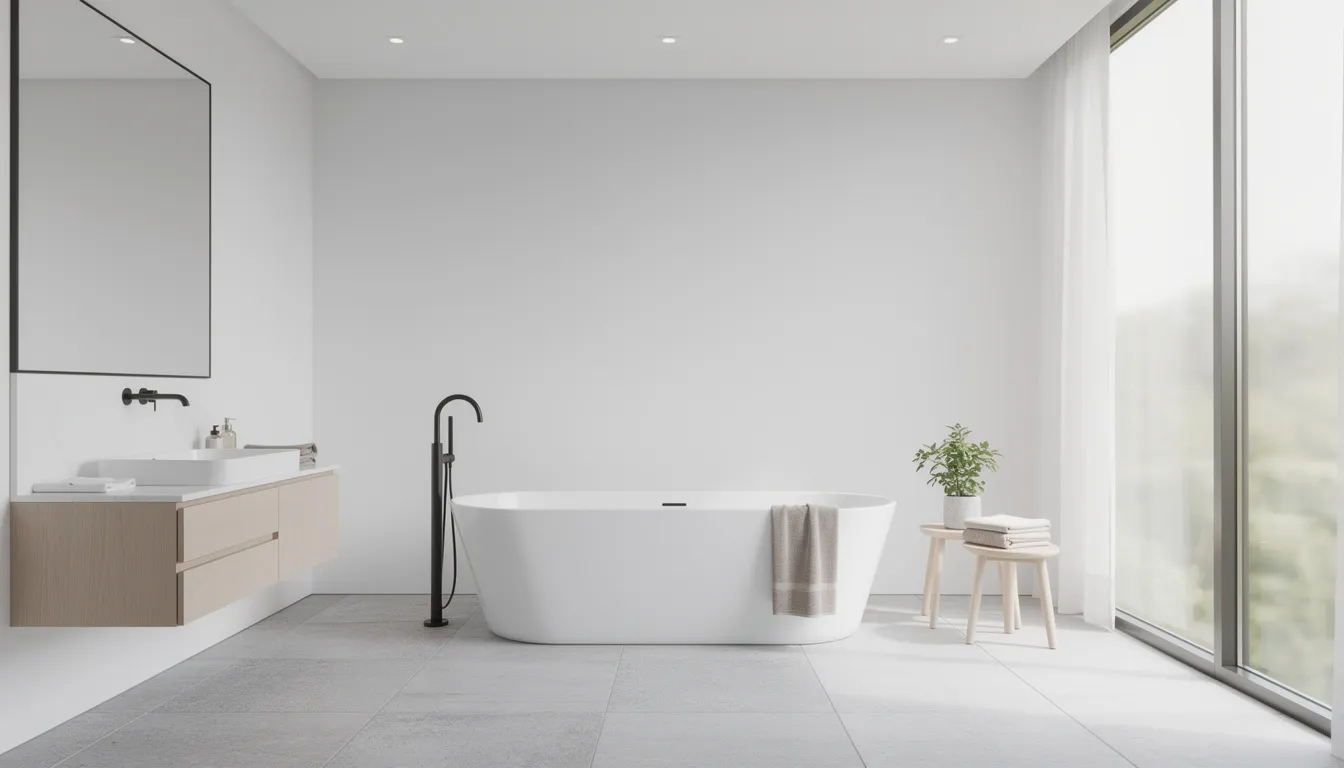
Cost Breakdown: Where Does Your Kapiti Bathroom Budget Go?
Understanding where your money goes helps you make informed trade-offs and avoid surprises during the renovation process.
Labour (40–55% of Total)
Labour typically consumes the largest portion of bathroom renovation costs. Here are typical 2026 Kapiti Coast tradie rates:
| Trade | Hourly Rate |
|---|---|
| Builders | $80–$95/hour |
| Plumbers | $90–$105/hour |
| Electricians | $90–$110/hour |
| Tilers | $85–$100/hour |
A small bathroom (4–6 m²) usually requires 120–200 labour hours depending on complexity. That translates to $10,000–$18,000 in labour costs alone for a mid range renovation.
These rates are noticeably lower than central Wellington and significantly below Auckland, which typically sits 20–30% higher than national averages.
Materials and Fixtures (30–40%)
Here’s what you can expect to pay for key components:
| Item | Budget Option | Mid-Range | Premium |
|---|---|---|---|
| Shower (acrylic insert vs tiled) | $1,500–$2,500 | $3,500–$6,000 | $7,000–$12,000+ |
| Vanity with basin | $500–$1,000 | $1,500–$3,000 | $4,000–$8,000+ |
| Toilet | $300–$600 | $700–$1,200 | $1,500–$3,000 |
| Tapware (per set) | $200–$400 | $500–$1,000 | $1,500–$3,000+ |
| Floor tiles (per m²) | $40–$80 | $80–$150 | $150–$300+ |
Mid-range fixtures from local suppliers in Paraparaumu or Porirua often provide the best value for Kapiti projects. You get durable materials without paying premium import costs.
Project Management and Design (0–10%)
Using a renovation company or dedicated project manager adds $1,500–$4,000 to your budget but often shortens timelines and reduces coordination stress. For complex projects with multiple trades, this investment frequently pays for itself in avoided delays and rework.
Contingency (10–15% Recommended)
Budget an extra 10–15% ($2,000–$5,000 for a mid-range Kapiti bathroom) for hidden costs you can’t see until demolition starts:
- Rotten subfloors under old showers
- Outdated or non-compliant wiring
- Undersized or corroded drainage
- Mould in wall cavities
- Asbestos in older materials
In coastal homes built before 1990, unexpected costs are almost guaranteed. Planning ahead with a realistic contingency prevents project paralysis when issues emerge.
Warning: Cheaper quotes that seem far below these norms may be cutting on waterproofing, compliance or quality trades. In Kapiti’s damp coastal environment, these shortcuts create problems that cost far more to fix later.
How to Estimate Your Bathroom Renovation Cost on the Kāpiti Coast
Here’s a practical step-by-step approach for homeowners in Paraparaumu, Waikanae, Raumati, Paekākāriki, Ōtaki and surrounding areas to build a realistic budget.
Step 1 – Define Your Scope
Start by deciding what level of change you’re making:
- Cosmetic refresh: Keeping layout, updating surfaces and fixtures only
- Mid-range full renovation: New everything within the existing footprint
- Complete reconfiguration/extension: Moving walls, adding floor space, or creating new bathrooms
Adding another bathroom or ensuite to an existing Kapiti home will almost always push costs above $35,000 once plumbing upgrades, consent fees and additional costs for new construction are factored in.
Step 2 – Measure and List Fixtures
Get specific about what you’re working with:
- Measure your bathroom dimensions (e.g., 2.4 m × 2.2 m = 5.3 m²)
- List everything that will be replaced:
- Shower or bath (or both)
- Vanity and basin
- Toilet
- Flooring
- Wall linings
- Lighting
- Heating (underfloor, towel rails)
- Ventilation
This inventory becomes the foundation for accurate quotes.
Step 3 – Choose Your Finish Level
For each element, indicate whether you want entry-level, mid-range or luxury fittings:
- Check current 2026 pricing at local suppliers in Kapiti and Wellington
- Don’t rely on old estimates—material costs have increased significantly since 2020
- Consider durability in coastal conditions when choosing between price points
Visiting showrooms in Paraparaumu or Porirua gives you realistic price expectations before committing.
Step 4 – Factor in Labour and Consents
A rough rule: labour will normally match or slightly exceed your materials/fixtures spend for a mid-range project.
Building consent may be required if you’re:
- Moving plumbing or electrical systems to new locations
- Adding windows or skylights
- Converting to a full wet room
- Making structural changes
Local council (Kāpiti Coast District Council) consent adds approximately $1,000–$3,000 in fees plus several weeks to your timeline.
Step 5 – Add 10–15% Contingency
This step is non-negotiable, particularly for:
- 1950s–1970s homes in older Kapiti suburbs
- Properties near the beach with potential salt damage
- Any bathroom with a history of leaks or poor ventilation
Contingency isn’t “extra” budget—it’s realistic budget for what you can’t see yet.
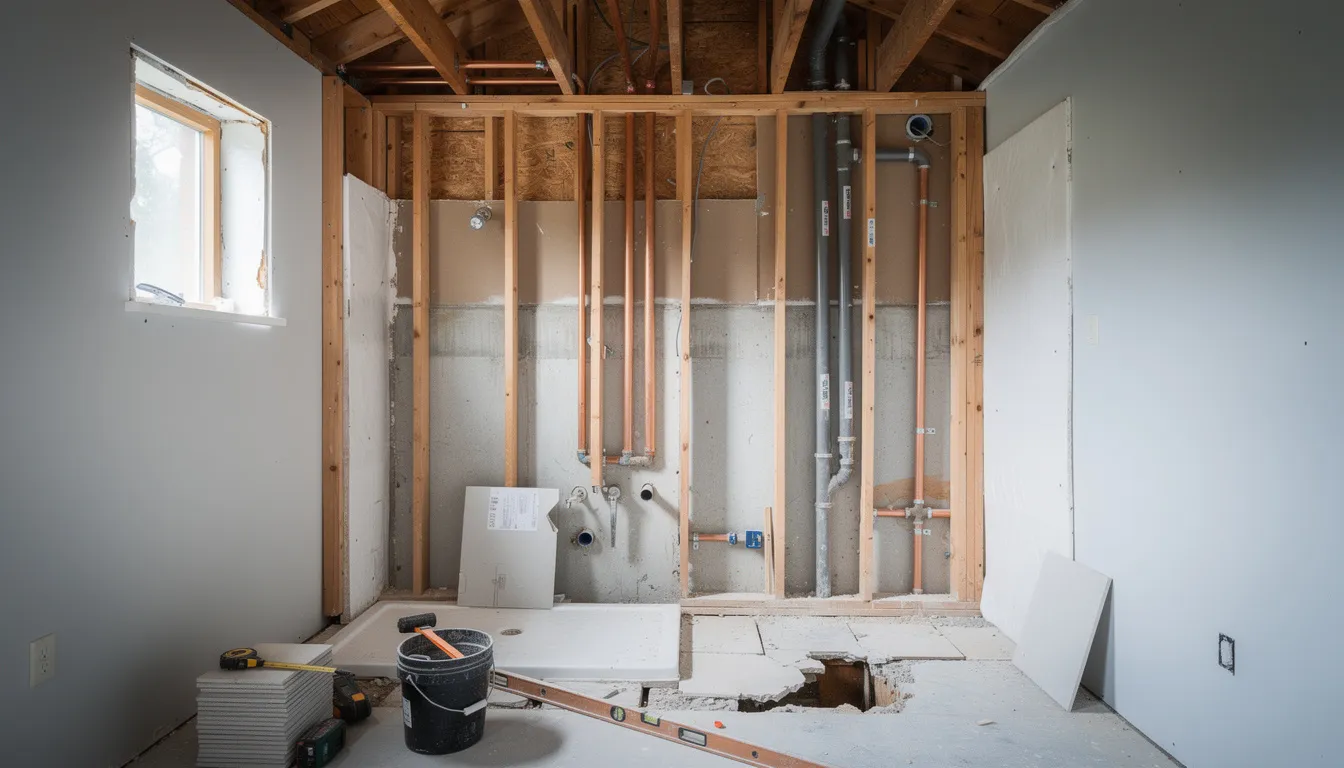
How Long Does a Bathroom Renovation Take in Kapiti?
Timeline expectations help you plan around the disruption and coordinate with tradies who often have multi-week waiting lists.
Typical Durations
| Project Type | Expected Duration |
|---|---|
| Simple refresh (surface updates, no layout changes) | 1–2 weeks |
| Standard mid-range renovation (new shower, flooring, fixtures) | 3–4 weeks onsite |
| Complex/high-end projects (structural changes, consents) | 5–8 weeks or more |
Week-by-Week Mid-Range Schedule
Here’s what a typical 3–4 week mid-range Kapiti bathroom renovation looks like:
Week 1: Demolition and Rough-In
- Strip out existing fixtures, tiles and linings
- Rough-in plumbing and electrical work
- Repair any framing issues discovered
- Install new drainage if required
Week 2: Waterproofing and Surfaces
- Apply waterproofing membrane (cure time required)
- Begin floor tiling
- Install shower base or tray
- Wall preparation and tiling begins
Week 3: Fixtures and Finishing
- Complete wall tiling
- Install vanity, toilet and shower hardware
- Plumbing and electrical fit-off
- Painting and final adjustments
- Cleanup and handover
Booking Lead Times
Kapiti Coast renovation professionals are often booked several weeks in advance. Plan 1–3 months ahead, especially for projects starting in spring or summer when demand peaks.
Coordinating bathroom work with any other renovation (kitchen renovation, laundry upgrade) can save on travel and set-up costs, but expect more intense short-term disruption to your home.
Smart Ways to Keep Kapiti Bathroom Renovation Costs Down
Balancing quality with budget in a coastal environment requires strategic choices, not just cutting corners. Here are proven ways to save money without sacrificing quality where it matters.
Keep the Existing Layout
The single biggest cost-saving decision is reusing current plumbing and drainage locations. In Paraparaumu and Waikanae homes, keeping fixtures in place can save thousands:
- Same toilet position = no moving waste pipes through floor or slab
- Same shower location = existing drainage and waterproofing containment
- Same vanity spot = minimal plumbing rework
Minor tweaks like swapping a pedestal basin for wall hung vanities or adding a recessed niche are fine. Moving the toilet across the room is expensive.
Targeted Upgrades, Not Full Rebuilds
For rentals in Ōtaki or older holiday homes at Paraparaumu Beach, consider strategic improvements:
- Repaint ceilings and walls with mould-resistant paint
- Replace vanity and toilet with new mid range materials
- Install a prefabricated shower insert rather than full tiling
- Add new tiles around existing bathtub only
- Upgrade tapware and accessories
This approach can cut costs dramatically while still creating a functional space that appeals to tenants or buyers.
Choose Mid-Range, Durable Materials
Premium materials aren’t always necessary for a stylish bathroom:
- Quality ceramic tiles instead of expensive natural stone deliver similar visual impact
- Good acrylic showers outperform poorly-installed custom tiled showers
- Mid range tiles in larger formats reduce grout lines and installation time
- Corrosion-resistant tapware designed for coastal use prevents early replacement
The goal is durable materials that perform well in Kapiti’s environment, not necessarily the priciest options.
DIY Where Appropriate
Safe tasks homeowners can tackle to reduce labour costs:
- Removing old fittings and fixtures (if no asbestos present)
- Painting walls and ceilings after trades complete their work
- Basic preparation and cleanup
- Installing accessories like towel rails and mirrors after the construction process
Leave plumbing and electrical work to licensed professionals—NZ building code requirements aren’t optional, and poor waterproofing creates expensive problems.
Plan Around Sales and Off-Peak
Practical upgrades to your budget approach:
- Shop bathroom sales at major suppliers in Porirua and Wellington
- Time projects for autumn or winter when tradies may have more availability
- Buy fixtures in advance when sales appear (store safely)
- Bundle projects to reduce mobilisation costs
Even modest savings on fixtures and timing can redirect funds toward better waterproofing or quality extraction—investments that protect your new bathroom long-term.
Bathroom Renovation Cost Kapiti: Frequently Asked Questions to Guide Your Project
How much does a bathroom renovation cost in New Zealand in 2026?
In 2026, the average bathroom renovation cost in New Zealand ranges from $12,000 for a small upgrade to $50,000+ for a full remodel, depending on size, materials, and layout changes.
Learn more:
- Stats NZ – Building & construction costs
- Consumer NZ – Renovation guidance
How much does a bathroom renovation cost in Auckland?
Bathroom renovations in Auckland typically cost 20–30% more than the national average due to higher labour and material costs.
- Small bathroom: $10,000–$20,000
- Mid-range renovation: $25,000–$32,000
- Full overhaul: $40,000–$60,000+
External reference:
- Auckland Council – Building work & consents
What is included in a mid-range bathroom renovation?
A mid-range bathroom renovation generally costs $20,000–$35,000 in NZ and includes:
- Higher-quality tiles and fittings
- New vanity and storage
- Modern lighting
- Updated shower or bath
- Partial layout improvements (without major plumbing relocation)
How much do high-end bathroom renovations cost?
High-end bathroom renovations typically cost $25,000–$50,000+ and may include:
- Custom cabinetry and joinery
- Premium or imported tiles
- Underfloor heating
- Smart mirrors or lighting systems
- Fully custom layouts
How much does tiling and waterproofing cost?
Tiling and waterproofing typically cost $1,500–$7,000, depending on bathroom size and tile choice.
- Waterproofing alone: $500–$2,000
- Waterproofing is mandatory under NZ Building Code requirements.
Regulations:
How much does labour cost for bathroom renovations in Auckland?
Labour usually accounts for 40–50% of the total renovation budget.
- Average labour rate in Auckland: $90–$120 per hour
- Multiple trades are required, including plumbers, electricians, tilers, waterproofers, and builders.
Why are bathroom renovations considered complex?
Bathroom renovations are often the most complex renovation in a home because:
- Many trades work in a small space
- Plumbing, waterproofing, and electrical work must meet strict codes
- Work must be carefully sequenced to avoid delays and rework
How long does a bathroom renovation take?
A bathroom renovation typically takes 3–4 weeks when managed by a project manager coordinating trades.
Delays can occur due to:
- Custom materials
- Council inspections
- Hidden damage uncovered during demolition
Does moving plumbing increase renovation costs?
Yes. Relocating toilets, showers, or vanities significantly increases costs due to:
- In-wall plumbing work
- Potential concrete cutting
- Possible council consent requirements
Do I need council consent for a bathroom renovation?
Council consent may be required if you:
- Move plumbing or drainage
- Alter load-bearing walls
- Change waterproofing systems
Check requirements here:
What unexpected costs can occur during a bathroom renovation?
Common hidden issues include:
- Water damage behind walls
- Outdated or non-compliant plumbing
- Structural issues uncovered during demolition
These can add unexpected costs if not identified early.
Should I hire licensed professionals for bathroom renovations?
Yes. Licensed plumbers and electricians are legally required for certain work in New Zealand and help avoid:
- Failed inspections
- Insurance issues
- Expensive future repairs
Official guidance:
Can DIY work reduce bathroom renovation costs?
DIY tasks can reduce labour costs, such as:
- Demolition
- Painting
- Removing old fittings
However, complex or regulated work should always be left to professionals.
How can I save money on a bathroom renovation?
Cost-saving strategies include:
- Keeping the existing layout
- Comparing multiple builder quotes
- Choosing mid-range fixtures
- Renovating during off-peak seasons
- Doing simple DIY prep work
Does renovating a bathroom increase home value?
Yes. A well-executed bathroom renovation can significantly increase resale value and buyer appeal, making it one of the highest-ROI renovations in New Zealand homes.
How much does bathroom tiling cost in Auckland?
Tiling costs in Auckland typically range from:
- $60–$150 per square metre, depending on tile size, material, and pattern complexity
Why does moving plumbing increase bathroom renovation costs?
Moving plumbing fixtures like toilets, showers, or sinks significantly increases renovation costs because it requires in-wall plumbing work, floor penetration, and often council consent. These changes add labour time, materials, and compliance costs.
How does design complexity affect bathroom renovation costs?
Complex designs—such as relocating plumbing, installing custom vanities, or building bespoke showers—raise costs due to the need for specialised trades, custom fabrication, and longer installation time.
What unexpected costs can arise during a bathroom renovation?
Hidden water damage, mould, asbestos, or outdated plumbing and wiring can increase costs once demolition begins. These issues are common in older New Zealand homes and often require immediate remediation.
Why is a bathroom renovation considered the most complex renovation?
Bathroom renovations involve more trades in a small space than any other renovation, including plumbers, electricians, tilers, waterproofers, builders, painters, and inspectors. Coordinating these trades adds complexity.
How long does a bathroom renovation usually take?
A typical bathroom renovation takes 3–4 weeks when managed properly with a project manager overseeing trades, scheduling, and inspections.
Do I need licensed professionals for bathroom renovations?
Yes. Licensed plumbers and licensed electricians are legally required in New Zealand. Hiring professionals prevents compliance issues, water damage, electrical faults, and costly rework later.
Do I need council consent for a bathroom renovation?
Council consent may be required if you are relocating plumbing, altering drainage, or making structural changes. Understanding local council rules and building codes before starting is essential.
Can DIY work reduce bathroom renovation costs?
Yes, DIY tasks like demolition or painting can reduce labour costs. However, complex or regulated work such as plumbing, electrical, waterproofing, and tiling should always be left to licensed professionals.
Should I compare multiple renovation quotes?
Yes. Comparing quotes from multiple local builders helps you understand market pricing, avoid overpaying, and identify inclusions or exclusions that affect total cost.
When is the best time to renovate a bathroom?
Renovating during off-peak seasons can reduce labour costs and improve trade availability, potentially shortening the renovation timeline.
How much does a small bathroom renovation cost in New Zealand?
A small bathroom renovation in New Zealand typically costs $10,000 to $20,000, depending on materials, labour, and whether plumbing is moved.
What does a mid-range bathroom renovation include?
Mid-range renovations generally cost $15,000 to $25,000 nationally and include better quality materials, a new vanity, modern lighting, upgraded fittings, and often a new shower.
How much does a mid-range bathroom renovation cost in Auckland?
In Auckland, a mid-range bathroom renovation typically costs $25,000 to $32,000 due to higher labour and material costs.
How much does a high-end bathroom renovation cost?
High-end bathroom renovations range from $25,000 to $50,000+, featuring custom designs, premium tiles, underfloor heating, smart systems, and luxury fixtures.
How much of my budget goes to labour?
Labour typically accounts for 40–50% of the total bathroom renovation cost in Auckland, reflecting higher trade rates and compliance requirements.
How much does tiling a bathroom cost in Auckland?
Bathroom tiling in Auckland generally costs $60 to $150 per square metre, depending on tile size, layout complexity, and surface preparation.
Why are Auckland bathroom renovations more expensive?
In 2026, bathroom renovations in Auckland cost 20–30% more than the national average due to higher labour rates, material costs, and demand.
What are the cost ranges for bathroom renovations in Auckland in 2026?
In 2026, Auckland bathroom renovation costs typically fall into these ranges:
- $8,000–$15,000 for minor upgrades
- $20,000–$35,000 for a full mid-range renovation
- $35,000–$65,000+ for high-end or luxury renovations
Conclusion
Renovating a bathroom on the Kāpiti Coast is a major investment that can significantly enhance your home’s comfort, functionality, and value. Understanding the local factors that influence bathroom renovation costs Kapiti, such as coastal climate impacts, house age, and plumbing layout, is essential for planning a successful renovation project. Costs can vary widely depending on the scope of work, materials chosen, and whether structural changes or plumbing relocations are involved.
By carefully planning your renovation budget, prioritizing quality waterproofing and ventilation, and considering cost saving tips like keeping your existing layout and choosing durable mid-range materials, you can achieve a stylish bathroom without sacrificing quality. Working with experienced renovation professionals and including a contingency fund for unexpected expenses will help ensure your project runs smoothly and stays within budget.
Whether you are updating a small bathroom or undertaking a luxury bathroom renovation, investing in smart project management and selecting the right fixtures and finishes will create a functional space that meets your needs and stands the test of time. With thoughtful planning and local expertise, your dream bathroom on the Kāpiti Coast is well within reach.