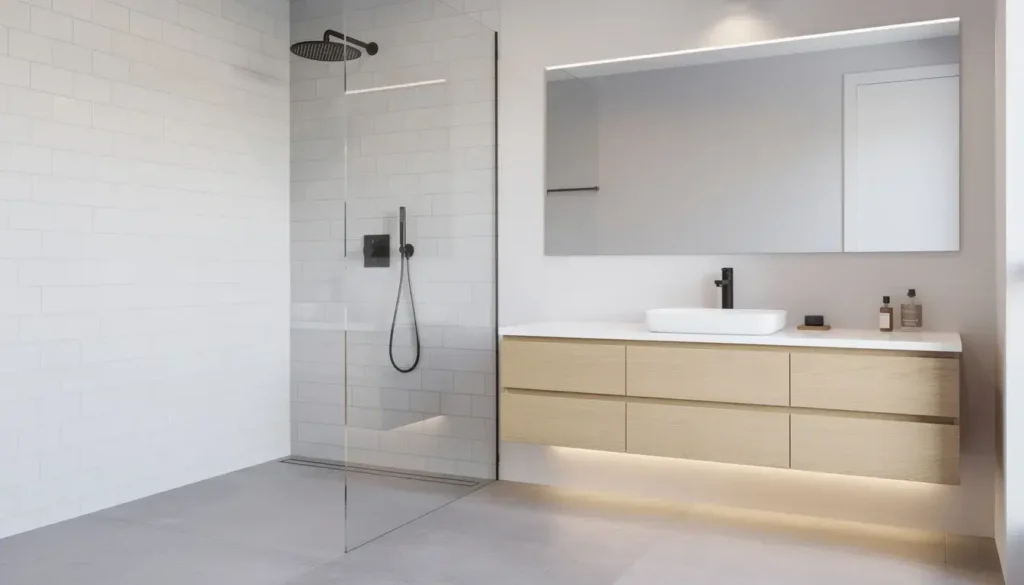


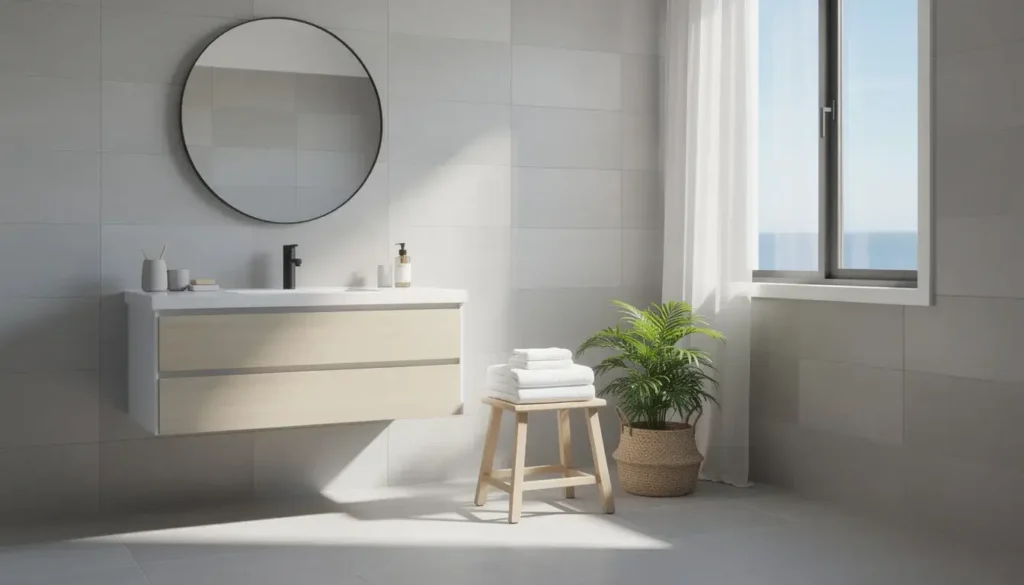
Welcome to Bathroom Tile Ideas Kapiti! We’re delighted to guide you through stylish, practical, and durable bathroom tile options perfect for the unique coastal climate of the Kapiti Coast. Whether you’re embarking on a full bathroom renovation, a minor upgrade, or simply seeking inspiration, our professional team is here to provide expert advice, quality workmanship, and clear communication throughout your project. Let us help you create a beautiful, functional bathroom that suits your lifestyle and stands the test of time.
Table of Contents
Key Takeaways
Choosing the right bathroom tiles on the Kapiti Coast means balancing style with practical performance in a coastal climate.
- Best tile types for Kapiti’s coastal climate: Porcelain tiles with low water absorption (under 0.5%) outperform standard ceramics in humid, salt-air environments from Paraparaumu to Paekākāriki.
- Popular local looks: Stone-look porcelain, matte white subway tiles, and timber-look planks dominate Kapiti bathroom renovations, with sandy tones and soft greys reflecting the coastal setting.
- Rough NZ$ cost ranges: Expect $50–$80/m² for mid-range porcelain tiles, plus $80–$150/m² for professional installation including waterproofing.
- Waterproofing and slip resistance matter: Proper membrane installation and slip-rated tiles (R10–R12) prevent moisture damage and accidents in wet areas.
- Tiles transform tired bathrooms: A complete bathroom remodel isn’t always necessary—quality tiles paired with certified waterproofing can completely refresh a dated space without structural work.
Why Bathroom Tile Choice Matters On The Kāpiti Coast
The Kapiti Coast presents unique challenges for bathroom design. Salt-laden air travels inland from Paraparaumu Beach to Waikanae, while humidity levels stay elevated through cooler, damper winters. These conditions directly affect how tiles, grout, and waterproofing systems perform over time—making material selection more critical here than in drier inland regions.
The right tiles improve durability, safety, and day-to-day cleaning in busy family bathrooms across the coast. Here’s why your tile choice deserves careful thought:
- Durability in coastal conditions: Porous tiles and standard grout can absorb moisture and salt, leading to staining, mould growth, and premature deterioration.
- Safety underfoot: Slip-resistant surfaces become essential when bathroom floors regularly see water, sand tracked in from the beach, and bare feet.
- Property value boost: In Kapiti’s competitive housing market, a well-tiled bathroom signals quality workmanship to potential buyers—particularly important when upgrading 1960s–1990s homes.
- Building code compliance: Tile choices must work with local building codes, NZ waterproofing standards, and ventilation requirements to meet industry standards.
Popular Bathroom Tile Styles Kapiti Homeowners Love
Kapiti bathrooms often blend coastal, modern, and practical Kiwi styles. Whether you’re renovating a weatherboard cottage in Raumati or fitting out a new bathroom in a Waikanae subdivision, these looks consistently deliver results.
- Coastal light and bright: White or soft grey wall tiles paired with sandy-tone floor tiles create an airy, beach-house feel. This style suits Paraparaumu Beach and Raumati homes where natural light pours in and you want clean lines that echo the coastal environment.
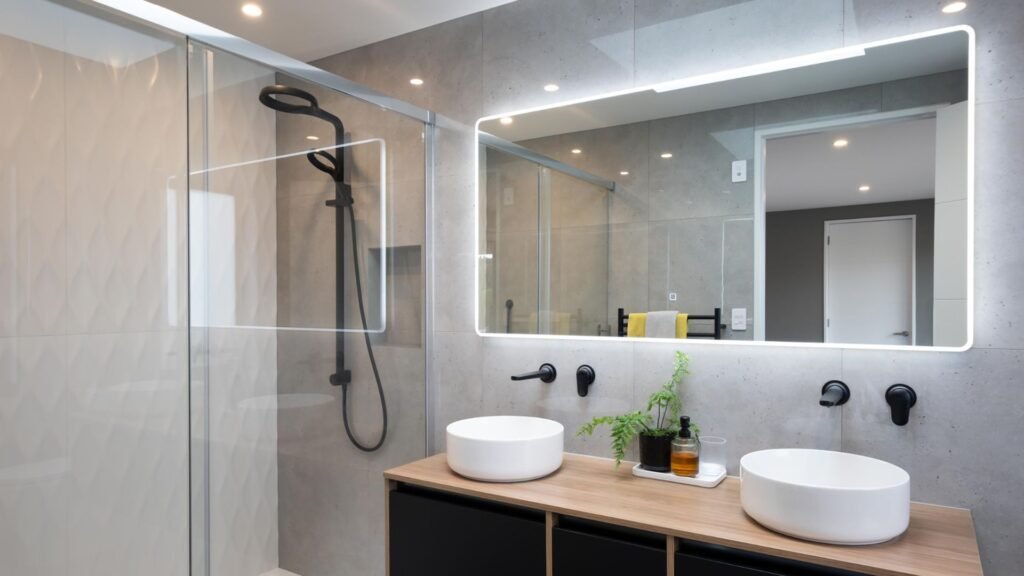
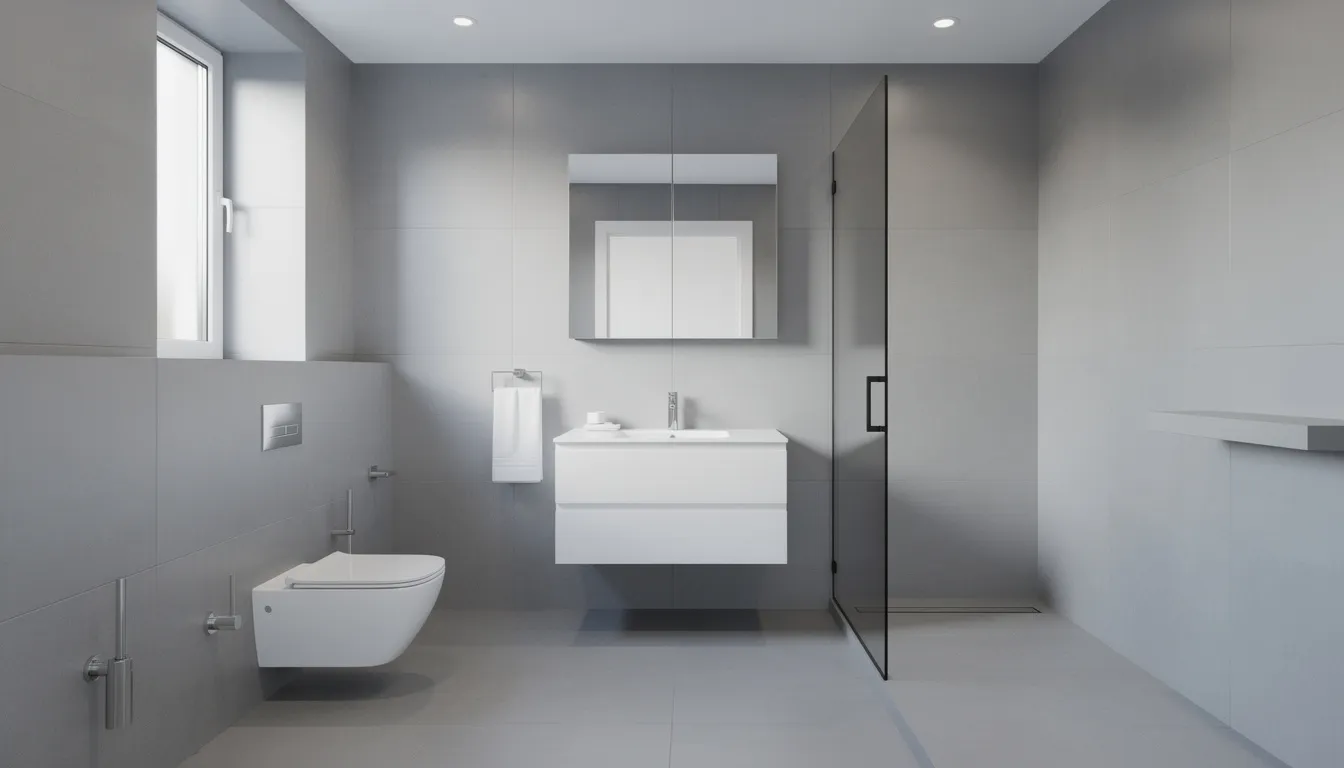
- Modern minimal: Large-format matte tiles in warm greys or greige, combined with simple grout lines and frameless glass walk in showers. This contemporary approach is common in new Waikanae builds and works well for homeowners seeking low-maintenance bathroom design solutions.
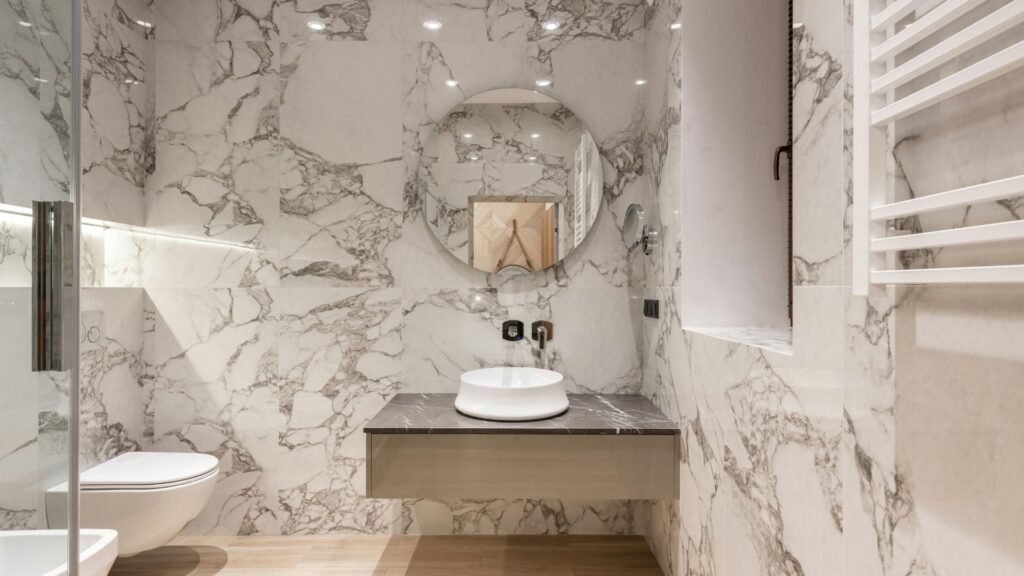
- Warm natural: Timber-look porcelain planks on floors paired with stone-look walls bring warmth to older Ōtaki and Te Horo homes getting a refresh. These tiles capture the weathered-wood aesthetic without the moisture risks of real timber.
- Character feature walls: Mosaics, hexagons, or patterned tiles behind a vanity or in a shower niche add personality without overwhelming smaller spaces. A feature grout colour can transform even basic white subway tiles into a design statement.
Best Tile Materials For Kapiti Bathrooms
Not all tile types suit constantly damp, coastal bathrooms. The material you choose affects performance, maintenance, and your budget over the life of your renovation project.
- Ceramic tiles: Best for walls and low-impact areas. Budget-friendly with a wide colour range, but more porous and less durable than porcelain. Typical cost: $25–$50/m² for quality tiles.
- Porcelain tiles: Denser with water absorption under 0.5%, making them ideal for floors and walk in showers in Kapiti’s humid climate. More resistant to staining, frost, and wear. Mid-range cost: $50–$80/m², premium options $100–$200/m².
- Natural stone (marble, travertine): Beautiful but porous, requiring sealing and more maintenance. Better for feature zones than full wet floors. The final result looks luxurious but demands ongoing care. Premium cost: $150–$400/m².
- Mosaic tiles: Great for shower floors and niches because the extra grout lines improve slip resistance and make it easier to create proper drainage falls. Higher labour costs due to more complex installation.
- Slip-rated tiles (R10–R12 ratings): Essential for wet areas, particularly in homes with children or older residents. Many modern porcelain tiles come with appropriate slip ratings without sacrificing aesthetics.
| Tile Type | Water Absorption | Best Use | Cost Range (NZ$/m²) |
|---|---|---|---|
| Ceramic | 3–6% | Walls | $25–$50 |
| Porcelain | <0.5% | Floors, showers | $50–$200 |
| Natural Stone | Variable | Feature areas | $150–$400 |
| Mosaic | Depends on material | Shower floors, niches | $80–$150 |
Tile Layout, Size And Colour Ideas For Small And Large Bathrooms
Common Kapiti bathroom footprints range from compact 80s units under 4m² to generous modern ensuites. Your layout and tile size choices can dramatically affect how the space feels and functions.
- Large-format tiles in small spaces: Tiles sized 600×600mm or larger reduce grout lines and create visual continuity, making compact bathrooms feel bigger. Fewer grout joints also means less cleaning in busy family homes.
- Seamless shower transitions: Running floor tiles directly into a level-entry shower creates a seamless, modern look popular in new Kapiti renovations. This approach requires careful waterproofing and proper falls.
- Subway tile orientation: Vertical layouts make ceilings feel higher in low-ceilinged 1970s bathrooms. Horizontal layouts stretch narrow rooms. Stack bond (aligned tiles) reads more contemporary than traditional brick bond.
- Colour and light: Light colours (white, pale grey, soft sand) reflect limited natural light in many older Kapiti homes. Reserve darker feature walls for well-lit spaces where they won’t make the room feel cramped.
- Grout colour strategy: Light grout creates a seamless look but shows dirt faster. Darker or mid-tone grout (charcoal, warm grey, terracotta) offers lower maintenance and can become a design feature itself—particularly effective with white or coloured wall tiles.
Waterproofing, Grout And Maintenance In A Coastal Climate
Kapiti’s damp winters and salty air make proper waterproofing and grout choice critical for any bathroom renovation. Cutting corners here leads to costly repairs within a few years.
- NZ-standard waterproofing membranes: Required behind tiles in showers, around baths, and over timber floors. This invisible layer protects your home from moisture damage and must be installed by trusted professionals to meet council consents and building industry requirements.
- Epoxy or high-performance grout: Worth the extra cost in heavy-use showers. Epoxy grout resists staining, mould, and salt air far better than standard cement grout—though it’s more demanding to install and requires an experienced team.
- Sealing requirements: Natural stone and some cement grouts need resealing every 1–3 years. Factor this realistic maintenance expectation into your material choices, especially if you prefer low-maintenance living.
- Simple cleaning habits: Use pH-neutral cleaners rather than harsh chemicals. Squeegee shower walls after use, run ventilation fans during and after showers, and open windows when weather permits. These small details prevent mould before it starts.
Working with certified waterproofers and professional tilers for Kapiti projects ensures the work meets industry standards and protects your investment long-term.
Heating, Comfort And Accessibility With Tiled Bathrooms
Tile can feel cold underfoot during Kapiti winters, but this issue is easily solved with underfloor heating. Modern bathroom design increasingly incorporates comfort and accessibility features alongside aesthetics.
- Electric underfloor heating: A popular addition in ensuites and family bathrooms. Expect to pay $100–$180/m² for supply and installation beneath tiles. Porcelain conducts and radiates heat efficiently, making your new bathroom comfortable even on frosty mornings.
- Complete comfort systems: Combine underfloor heating with heated towel rails and energy efficient lighting for a spa-like experience. Good insulation and ventilation work together to keep damp at bay and reduce water bills from excess moisture.
- Accessible design: Level-entry showers with appropriate tile size and correctly sloped falls suit older homeowners in Waikanae and Ōtaki, as well as retirement units throughout the region. A custom vanity at the right height and grab rails installed on properly supported walls complete the picture.
- Texture placement: Use textured or small-format tiles on shower floors for grip, while smoother tiles on walls make cleaning easier. This approach balances safety with practicality.
Working With Kapiti Tilers And Designers
Tile choice and layout are most successful when planned with local professionals familiar with Kapiti homes and climate. A Kapiti based team understands the specific challenges of coastal renovations and can help you avoid delays.
- Come prepared to consultations: Bring inspiration photos, rough measurements, and your budget range to your first consultation. This helps tilers and designers provide clearer quotes and expert advice tailored to your space.
- Questions to ask tilers: Enquire about their experience with waterproofing systems, underfloor heating installation, walk in showers, and coastal homes. Ask about their approach to proper prep and how they work closely with other trades like plumbers and electricians.
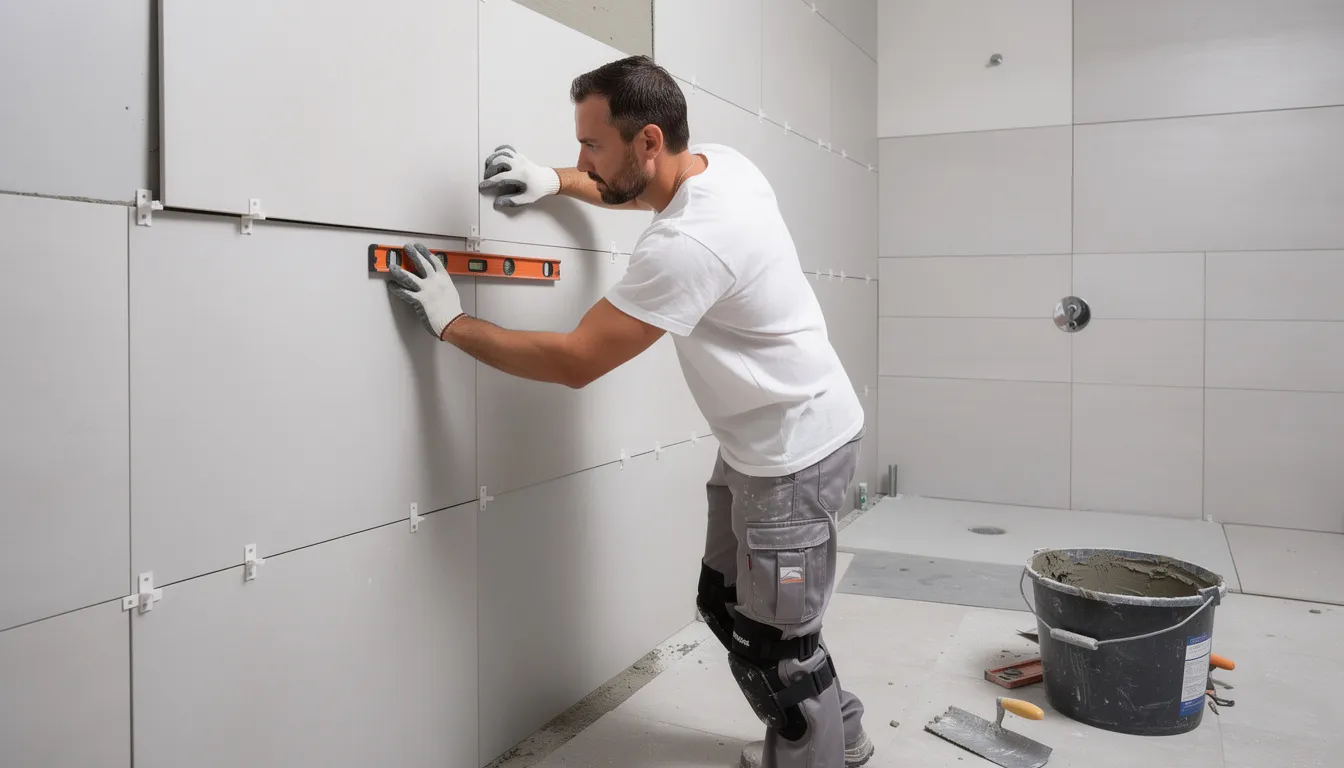
- Typical timelines: Allow 3–7 days of tiling within a 3–5 week full renovation or full remodel. The whole process flows smoothly when your project plan coordinates tilers with sub contractors and plumbers from the start.
- Get itemised quotes: Request quotes that separate tiles, preparation work, waterproofing, and labour. Confirm who supplies which high quality materials and what happens if you find tiles you prefer from a different supplier.
A home renovation is a significant investment. Reach out to a Kapiti-based tiler or designer for a site visit and quote—the great communication and customer satisfaction from working with local professionals makes the renovation stress free and delivers exceptional workmanship.
Frequently Asked Questions About Bathroom Tiles In Kapiti
What are natural stone-look tiles, and why are they popular?
Natural stone-look tiles replicate the appearance of materials like marble, travertine, and limestone while offering greater durability and easier maintenance. They provide a luxurious finish without the sealing, staining, or upkeep associated with real stone.
Why are zellige and handmade-look tiles trending?
Zellige and handmade-look tiles are popular because their subtle variations in shape, glaze, and colour create an authentic, artisanal feel. These tiles add warmth and character, making spaces feel more personal and less manufactured.
Are checkerboard tiles still in style?
Yes. Checkerboard tiles have evolved with softer colour combinations like beige, olive, and pastel tones. These modern adaptations offer a retro feel while remaining contemporary and visually balanced.
Why are textured and 3D tiles becoming popular?
Textured and 3D tiles add depth and tactile interest, helping homeowners move away from flat, uniform walls. They are especially effective on feature walls, shower niches, and splashbacks.
How do geometric tile patterns enhance a bathroom?
Geometric tile patterns, including Moroccan-inspired designs and checkerboards, introduce personality and visual interest. They are commonly used on feature walls or bathroom floors to create a focal point.
Why are matte tiles preferred over glossy tiles?
Matte tiles offer a softer, more natural appearance and are less prone to showing water spots, smudges, and fingerprints, making them ideal for bathrooms and wet areas.
What are large-format tiles and why are they popular in New Zealand?
Large-format tiles, such as 600×1200 mm tiles, are popular in New Zealand bathrooms because they reduce grout lines, create a seamless look, and are easier to clean and maintain.
What bathroom renovation ideas are popular in New Zealand?
Popular bathroom renovation trends in New Zealand include walk-in showers, floating vanities, large mirrors, and smart storage solutions designed to maximise space in smaller homes.
Why are walk-in showers so popular?
Walk-in showers maximise floor space, improve accessibility, and simplify cleaning. They are ideal for both compact bathrooms and modern open-plan designs.
How can smart storage improve small bathrooms?
Smart storage solutions such as recessed shelving, mirrored cabinets, and floating vanities help keep benchtops clutter-free while maximising usable space in small bathrooms.
Do mirrors really make a bathroom feel larger?
Yes. Large mirrors reflect light and create visual depth, making small bathrooms feel brighter and more spacious.
What materials work best for coastal or Kapiti bathrooms?
Natural materials, such as wood vanities paired with neutral or stone-look tiles, complement Kapiti’s coastal environment and create a relaxed, beach-inspired aesthetic.
What colours are trending in New Zealand bathrooms?
Warm neutrals like beige, taupe, and olive green are replacing cooler greys. Earthy tones, muted blues, sage greens, and sandy neutrals are popular for creating a calming, spa-like feel.
Conclusion
Choosing the right bathroom tile ideas in Kapiti is essential for creating a space that balances style, functionality, and durability in the unique coastal climate. Whether you’re planning a complete bathroom remodel or a minor upgrade, selecting high-quality materials like porcelain tiles, incorporating smart layout choices, and ensuring proper waterproofing will help your bathroom stand the test of time.
By working with trusted professionals and a Kapiti-based team, you can enjoy clear communication, expert advice, and exceptional workmanship every step of the way. Incorporating popular trends such as walk-in showers, underfloor heating, and eco-friendly options not only enhances daily comfort but also adds value to your home renovation.
Ultimately, your bathroom should be a reflection of your lifestyle and dream home aspirations. With careful planning, attention to all the details, and quality craftsmanship, your bathroom renovation project can transform your space into a beautiful, practical, and lasting retreat on the Kapiti Coast.